
International project work is not created in isolation—it is built through networks. In Horizon Europe funding, a crucial step is identifying the right partners and developing a shared project idea well before the actual application phase.
In April 2026, the Civil Security for Society Matchmaking Event held in London brought together researchers, companies, and developers from across Europe. The aim of the event was to build new consortia and advance project proposals, particularly within the Horizon Europe Cluster 3 themes.
But what happens at matchmaking events—and what should you take away from them?
Competition within the Horizon Europe programme is intense, and securing funding requires a strong and well-balanced consortium. A single organisation can rarely meet the broad requirements of these calls on its own. This is why matchmaking events have become an essential part of project preparation.
The Civil Security-themed event focused on topics such as:
- the resilience of critical infrastructure
- cybersecurity and AI security
- multi-hazard risk management
- crime prevention and preventing the misuse of emerging technologies
This was not just a seminar, but a highly goal-oriented working environment: participants arrived with project ideas and often left with the first outlines of a consortium.
What happens at the event?
The real value of a matchmaking event lies in its structured approach to fast networking and idea development. The key elements included:
- Elevator pitch sessions
In short presentations, project coordinators introduced their ideas and outlined the expertise they were looking for in partners. The ability to communicate a clear and compelling idea in just a few minutes is essential.
- Breakout workshops
After the pitches, participants split into smaller groups to develop ideas further. At this stage, discussions focus on:
- defining partner roles
- refining core content
- outlining the division of work
- Posters and informal networking
Poster sessions and breaks provide opportunities to deepen discussions and identify new partners. Informal conversations are often crucial for building trust—and ultimately for forming collaborations.
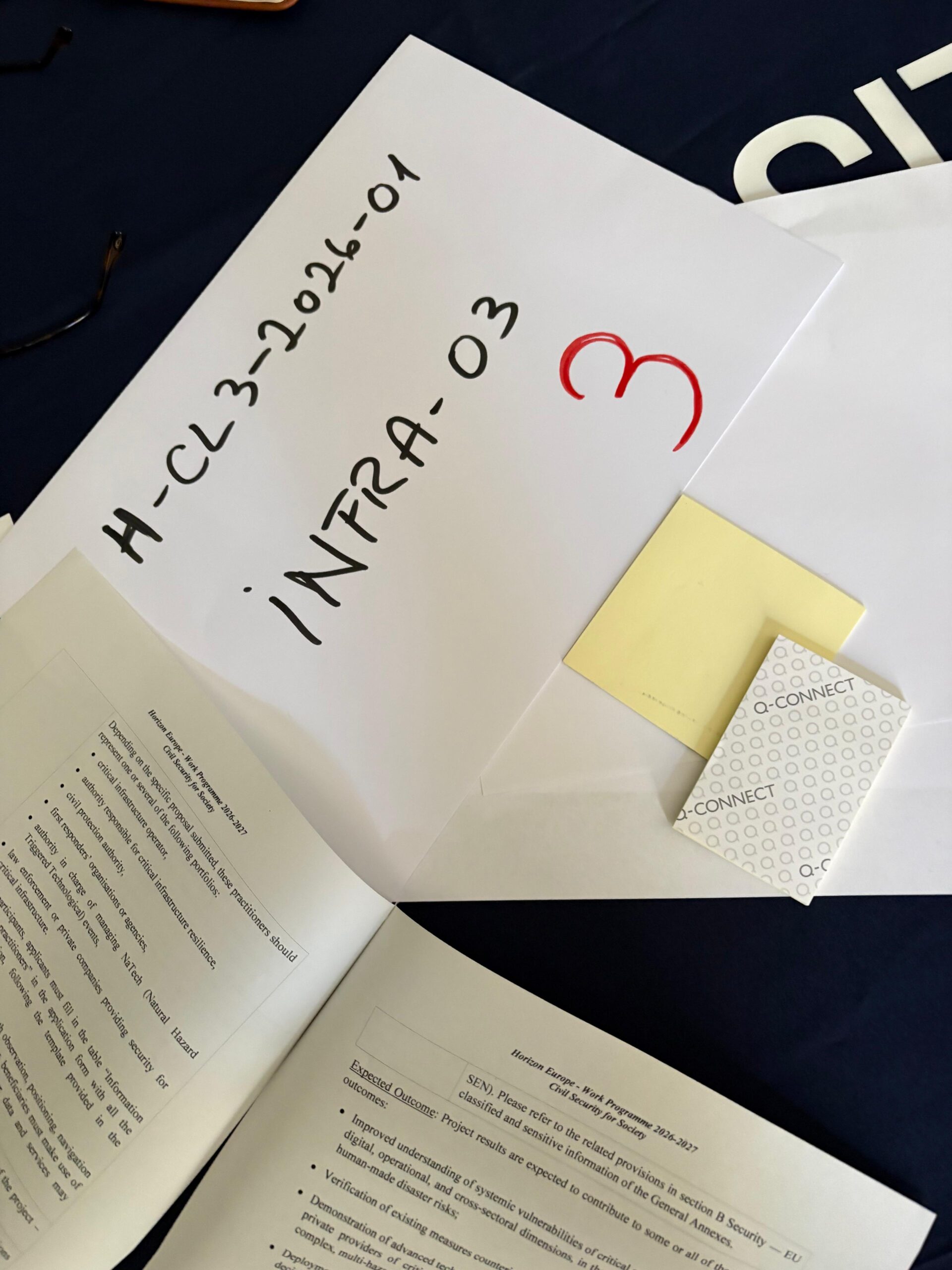
Picture 1. A workshop part
What are the benefits of participating?
In practice, a matchmaking event is a highly effective way to strengthen international project activities—especially for organisations aiming to join Horizon Europe-level consortia.
From an organisational perspective, one of the key benefits is access to European networks and up-to-date insights into upcoming calls and their priorities. This helps align your own activities early on. In many cases, it also opens the door to joining a consortium already in the preparation phase, significantly increasing the chances of participation.
From a project perspective, participation helps refine and develop the idea further. Through discussions, ideas become more concrete, realistic, and, most importantly, more relevant from the funder’s point of view. At the same time, the structure of the consortium begins to take shape: who does what, and how responsibilities are distributed. This strengthens the overall impact of the project already during the planning phase, which is a key factor in securing funding.
The benefits extend beyond individual organisations or projects. Regional expertise becomes connected to European-level development, and new partnerships open doors to both future projects and long-term collaboration. At the same time, the impact of RDI (research, development, and innovation) activities increases as local efforts become part of larger international frameworks.
Key takeaways
Several insights from the event apply broadly to all international project work:
- Networks are crucial
International projects start with partnerships, not applications. - Pitching is a core skill
Your idea must quickly capture interest—otherwise the conversation won’t start. - Building a consortium is strategic
It requires careful consideration of needed expertise and your own role within the whole. - Timing matters
Networking should begin well before the call opens. - Competition is intense
Standing out requires clear impact—not just a good idea.
What comes next?
A matchmaking event is not the end point, but a starting point. International project work requires proactivity, courage, and a structured approach. These events provide a concrete setting where ideas, expertise, and partners come together.
At their best, they act as a bridge between local development work and European-level solutions—and take project activities to the next level.
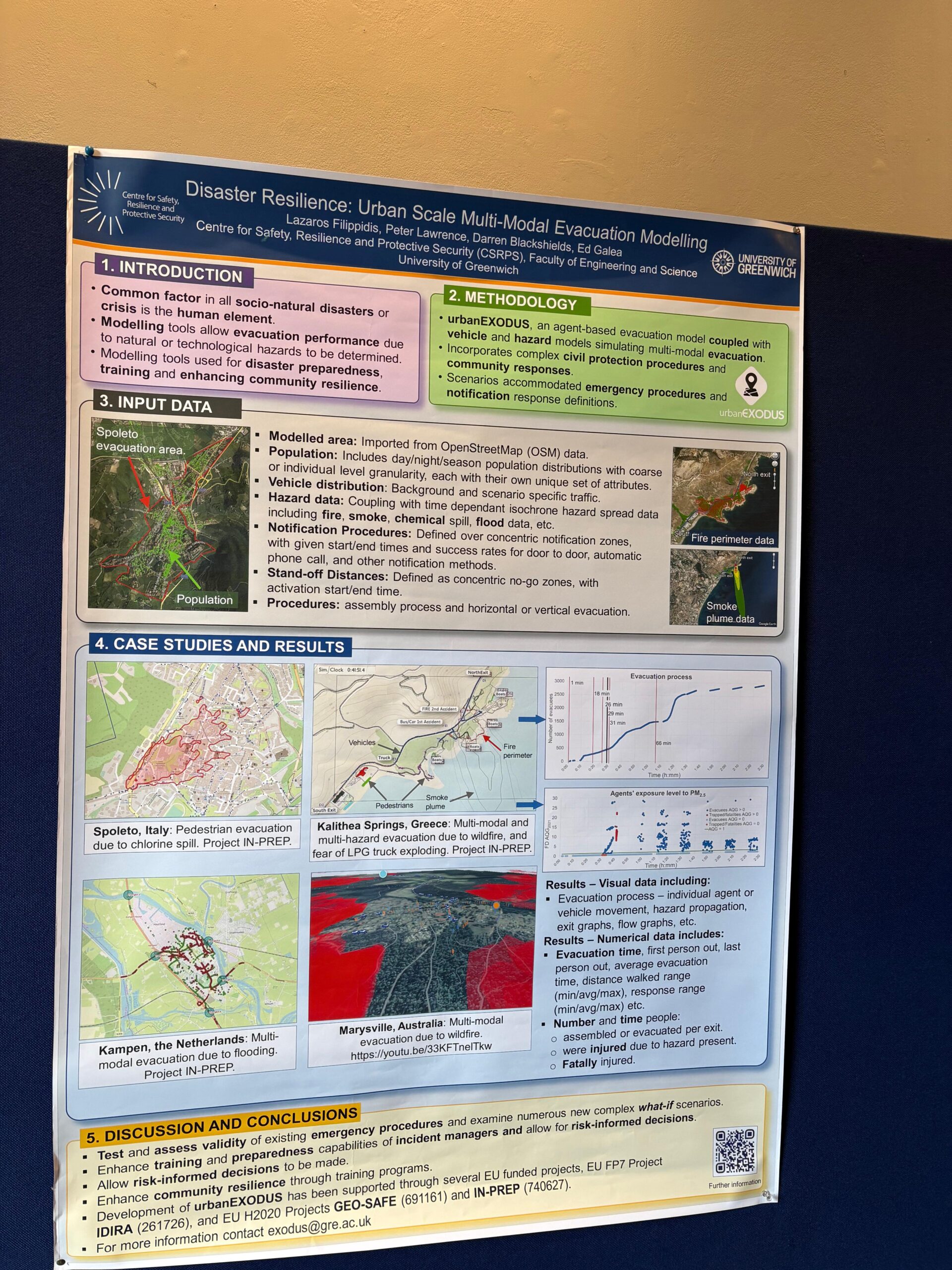
Picture 2. An example of a poster
Sources:
Crowdhelix. Civil Security for Society Matchmaking Event
European Commission. Horizon Europe – Research and innovation programme