
When a Finnish project worker enters the streets of Oslo in November, a couple of things run through the mind: networks and an umbrella. The first relates to work, the second to the weather. A three-week researcher exchange in the Norwegian capital is intensive. The contents included meetings, brainstorming and coffee (a lot of coffee) as well as lunch sandwiches. There turned out to be good lunch restaurants in the university, so the change was not quite total. The weather was quite dry and mild so that was ok too. (Norwegian primary schools do not offer lunch but students bring their own lunches. Another notable difference from the school side is that in Norway primary lasts ten classes instead of the nine it does in Finland. (Perusopetus Norjassa, 2026))
This blog will discuss my own research exchange experience in November 2025. A friendly professor arranged an opportunity to spend time and get to know Norwegian Business School in Oslo. This was a great gesture. Big thanks to them for arranging the place, as well as to the LINK team and the AIKA DIH Ecosystem from Kajaani University of Applied Sciences (KAMK) for their support.
Why research exchange?
Research exchange is for creating new connections, collaborations and the accumulation of professional experiences. It is an opportunity to see how RDI work is done elsewhere, and to bring the best ideas home and, more generally, to professional development. It was important for me to visit a new culture and way of working for at this time of my career and we had been planning such activity for a while back at KAMK. Norway invests heavily and with great resources in technology such as artificial intelligence. The country has just started a total of six national AI research centers with universities, companies, etc. as partners. One example is The Norwegian Centre for Trustworthy AI (2025).
Norwegian Business School hosted
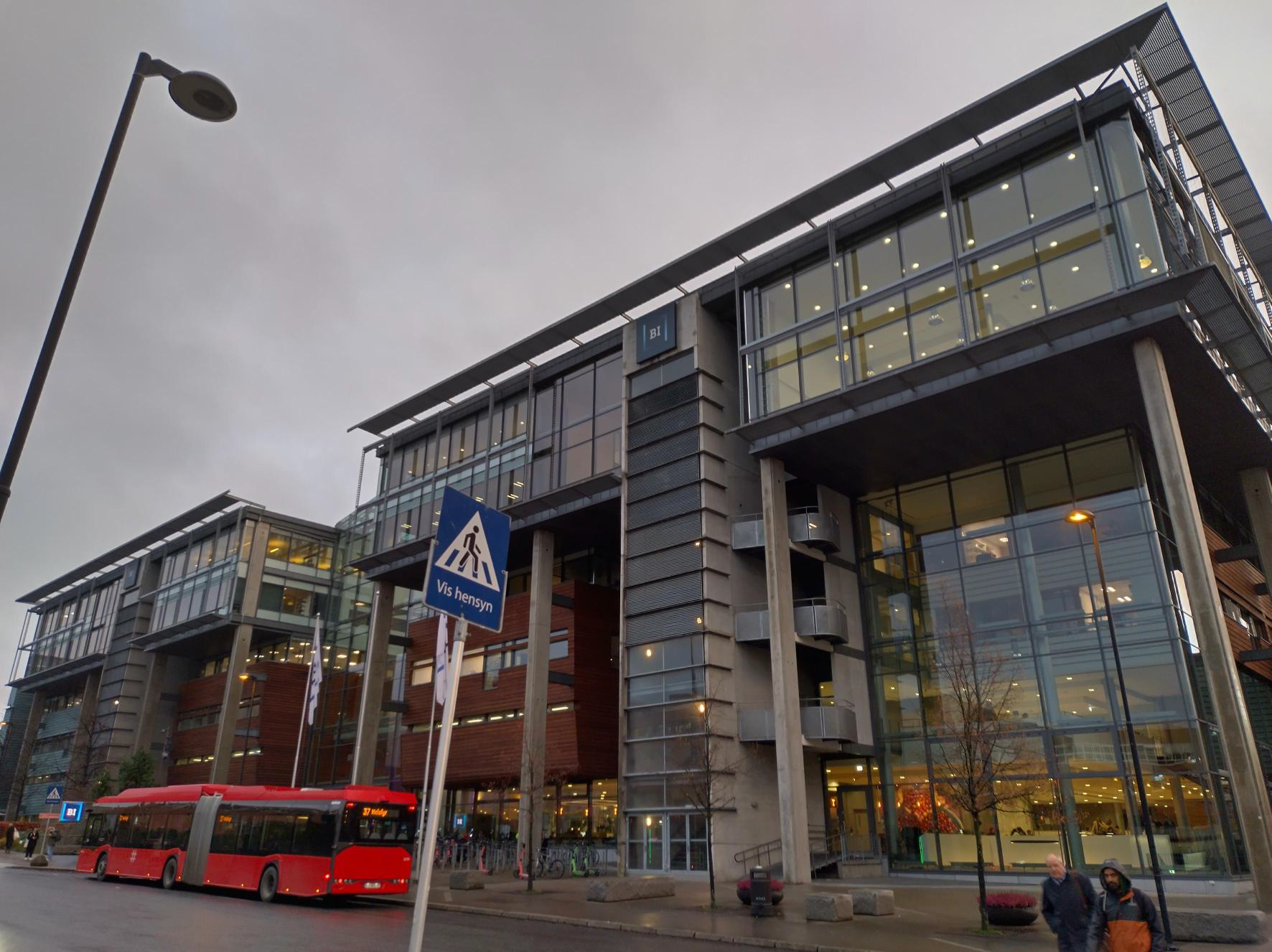
The Norwegian Business School, commonly known in Oslo as BI, was a great place to come for an exchange. The college campus is located just a quarter of an hour by metro from Oslo Central Station, at Nydalen’s newly renovated and built district. The facilities on campus are excellent, with canteens, lecture halls, meeting rooms, a gym, even a shop and a barber were there. Coffee and fruit were always available in the staff break room. BI research and give education in business subjects, and the Faculty of Communication and Culture is very interested in artificial intelligence and its effects. Therefore, it was a very good place to visit. In the discussions, Kainuu’s familiar AI piloting in companies and Norway’s AI research on its impact on business and industry socially and culturally met. We found that we could complement each other.
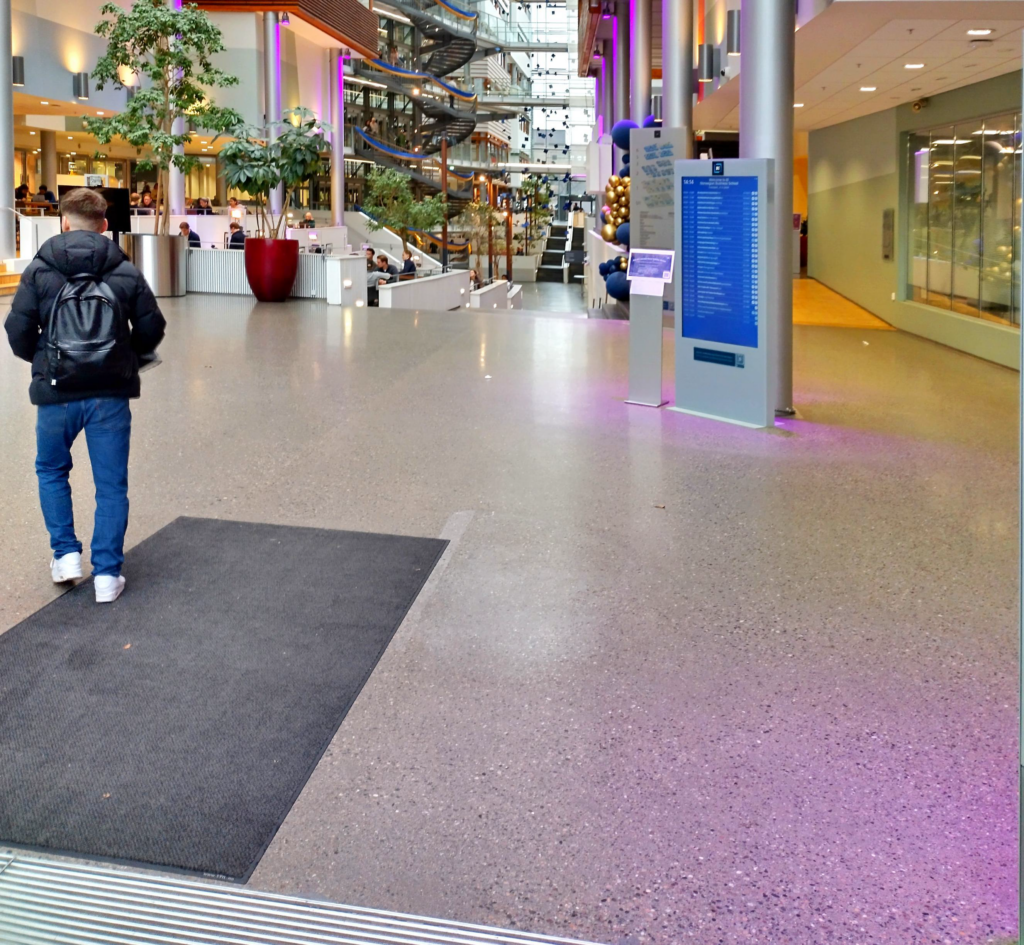
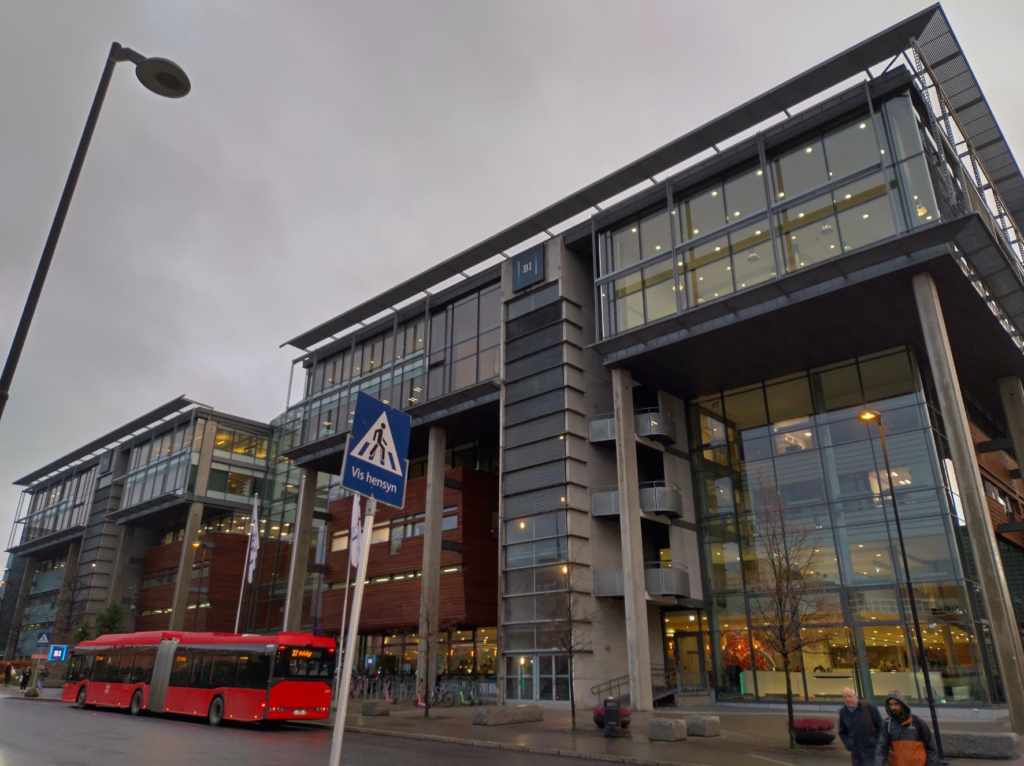
Images 1-2. BI Campus in Nydalen, Oslo.
Encounters and Culture
In Oslo, technology and business meet naturally. The discussions were inspiring: artificial intelligence, digitalization more broadly, utilization of data but not just technology hype. From my business study background, it is interesting to consider, for example, how these innovations are brought to market and how they create value, or how they have a social impact on business life and support higher education. Sometimes ideas are born in surprising places. For example, in a cafe where I tried to order a “little coffee” and got a cup that would have been enough for the energy needs of a small village. Norwegians do not do things in half, consideration and discussions take place in advance.

Image 3: Part of the Christmas market in Karl Johans Gate, Oslo city center.
In the newspapers in Finland, we have read about the growth of the Norwegian economy and the qualification of the country’s footballers to the 2026 World Cup. It was great to witness people’s joy at the success of the team; people were singing in the streets of Oslo and thousands of people gathered outside the Town Hall to celebrate the achievement. Oslo’s investments in the city’s coziness and new buildings such as libraries and the opera house tempt one to spend time moving around in the city center. Travel is a big theme.
Networking
Over the three weeks, my goal was to build lasting contacts and the beginnings of networks. Networking is like a Norwegian mountain hike (or city walk): initially steep and a little breath-taking, but once you get to the top, the scenery pays off. Any discussion can open the door to a new project, research idea, or collaboration. And yes, sometimes it means small talk on the subject, that in Finnish there is a separate term for casual beer tasting at home etc., but if it takes you towards a common project, that’s fine. Getting to know and talking to new people becomes easier because you do that much more in a research exchange. The faculty at BI had quite a lot of international people working, including several doctoral students, as well as numerous professors, which made for great discussions.
The Norwegian Higher Education Sector
Oslo has several campuses of different universities, and I was able to visit a few. I first visited the University of Oslo campus, which is just two metro stops away in an area called Forskningsparken. I also met a couple of people from Inland University of Norway, with whom KAMK already has a student exchange agreement (Partner Institutions for Bachelor Students, 2025).
The expertise of the Norwegian research institutes made a great impression on me during the trip. The know-how covers the whole spectrum of phenomena from initiating startups to academic research in AI technologies and is both technical and industrial. Also very nice, with a lot of new learning, was the meeting visit to Fredrikstad, which is a wonderful smaller town around the Glomma River.
Many Norwegian universities have newish campuses that support studying and working similarly to KAMK’s strong campus development in recent years. For example, co-educational spaces close to cafés support success in studies as well as a sense of community.
Findings
Research exchange was an investment in the future. It created new perspectives, contacts and concrete connections to negotiate project proposal ideas. At the same time, it strengthens competence and encourages the exploration of cross-sectoral opportunities. Many connections have been created and strengthened, and the time for utilizing them is in 2026.
A few lessons from the three weeks in Oslo:
- Networking is an attitude question, not a coincidence.
- Good ideas come from conversations, not from Excel spreadsheets or internet platforms.
- Over a longer period in any line of work, doing a spell abroad is a good thing (not mandatory)
The time passed quickly and towards the end I felt that I had settled down well. Three weeks was long enough to do that, which made a difference and was also one of the purposes. I quickly noticed that not all Norwegians are not interested in the discussion openings I had planned before the trip, such as cross-country skiing and football, but they were present at the discussions and often thanked me for the updates on these topics as well!
The hopes and goals I set for the period were met quite well as a whole, I`m grateful. For example, none of the meetings were cancelled. Compared to the planning period, I noticed that it is much more demanding to spend bordering a significant time away from home abroad. It feels a bit different and takes more energy, even though you look to implement your things normally. I wish I`ll always remember those Oslo weeks and learnings and hopefully this blog will inspire others to similar projects. Research exchange creates value for your organization, yourself and potentially also for your region. Even short periods open new views and initiatives but can also help fine down the current strengths and challenges in whatever field you are. I would be happy to tell you more about the experience should you come by any questions.
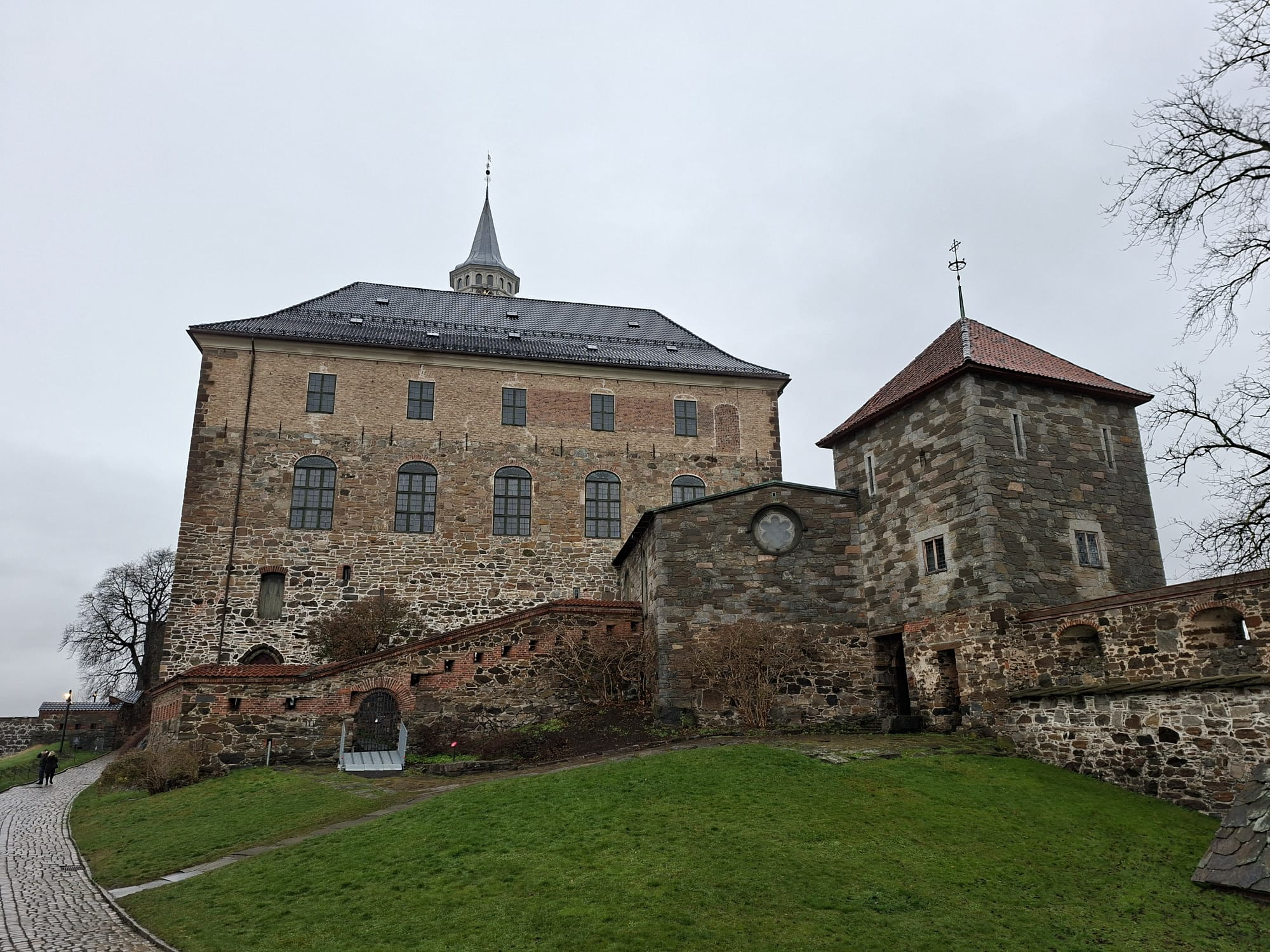
Image 4. Akershus Festning, Oslo

Image 5. November Sunset at Ekebergparken, Oslo
The author works at Kajaani University of Applied Sciences LINK team and in the AIKA DIH Ecosystem projects. More about LINK work in recent blog: Kansainvälisen TKI-toiminnan oppeja ja kokemuksia vuodelta 2025 – suuriatekoja.fi . More information about AIKA: – Aika Nature of Technology
Sources:
The Norwegian Centre for Trustworthy AI – TRUST – The Norwegian Centre for Trustworthy AI. (2025) Viewed on 17.12.2025. https://www.trust-aicentre.no/english/
Partner Institutions for Bachelor Students. (2025). Viewed on 17.12.2025. https://kamk.fi/en/cooperate-with-kamk/internationality/partners/partner-institutions-for-bachelors-students/
Perusopetus Norjassa. (2026). Viewed on 05.01.2026. https://www.norden.org/fi/info-norden/perusopetus-norjassa
All images by Joonas Tikkanen